"I Have Nothing to Hide": Why the "Clear Conscience" Logic Traps Us in a Digital Cage
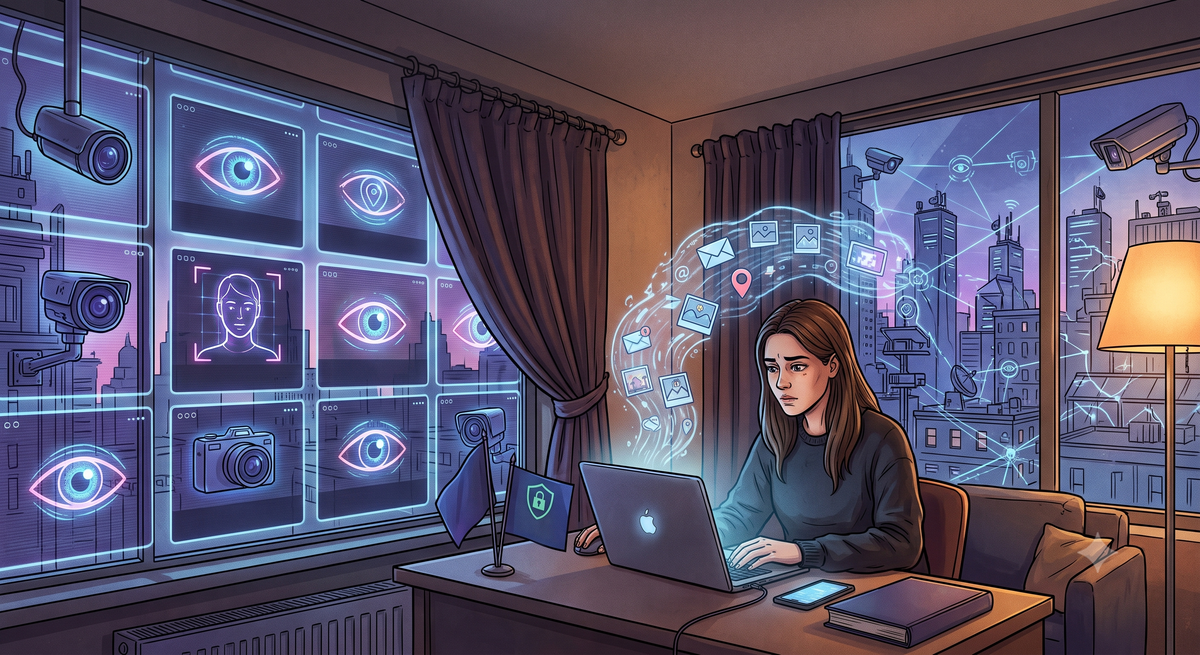
It is no secret that the phrase "I'm not doing anything wrong, so why should I hide?" has become the primary argument for advocates of total surveillance. We are daily led to believe that if you are an honest, law-abiding citizen, facial recognition systems, StingRay devices, GPS tracking, and relentless cookie collection exist solely for your safety. But behind this illusion of care lies a fundamental substitution of concepts.
The root of the problem is that society has long confused privacy with secrecy.
To put it simply: privacy is not about hiding crimes or conspiracies. It is a fundamental human right to selectively disclose information about oneself. It is the ability to independently decide who, when, and to what extent is allowed into your personal space. The phrase "I have nothing to hide" mistakenly equates the desire for privacy with an attempt to conceal something illegal. By analogy, we draw the curtains on our windows not because we are doing something illegal inside, but because we value our personal boundaries.
At the same time, what many consider secrecy—trying to turn on "Incognito mode," clearing browser history, or changing a nickname—actually creates a mere illusion of protection. Such actions fail to achieve true anonymity, as digital footprints remain accessible to ISPs and tech giants anyway.
Why Blind Faith in a "Clear Conscience" Loses to Privacy
This begs the question: if someone truly has nothing to hide from the state or corporations, why is complete transparency so damaging? There are at least several compelling reasons:
- The problem of "eternal memory": The Internet remembers everything. A foolish joke told at age 15, an unfortunate photo, or an impulsive statement from the past can ruin a career and reputation today. Privacy gives us necessary digital breathing room—the right to make mistakes, experiment, and grow as individuals without the fear that everything will remain permanently etched in a personal "dossier."
- The illusion of secure databases: Not a single system in the world is 100% secure. The more services know everything about you—from your daily route to your shopping list—the easier it is for scammers to steal your identity, gain the trust of your loved ones, or exploit social engineering.
- Algorithmic manipulation and price discrimination: Our search history and digital profiles have long dictated how much we pay for taxis, flights, hotels, or online goods. Data about us is used not just to serve ads, but for financial manipulation and personalized dynamic pricing.
Furthermore, caring about privacy has a collective impact. By using secure messengers and VPNs, you generate "digital noise" that makes it significantly harder for regulators and bad actors to single out those who desperately need protection—human rights activists, journalists, or vulnerable individuals. By protecting your own device, you simultaneously protect the contacts of your friends and family stored in your address book.
What Remains for Users?
If we don't want to find ourselves in a world where every step is logged and evaluated by algorithms, we must draw two key conclusions:
- First, we must rethink our attitude toward personal data. Privacy is not a privilege reserved for lawbreakers; it is basic 21st-century digital hygiene essential for preserving personal freedom and financial security.
- Second, we must abandon useless half-measures like simply clearing the cache or relying on "Incognito mode" in favor of real security tools—end-to-end encryption, mindful application permission management, and services that do not harvest metadata.
By surrendering our data in exchange for questionable convenience, society voluntarily abdicates its right to an autonomous life. The line between "I have nothing to hide" and "every step I take is monitored" becomes razor-thin. Privacy is needed not to conceal sins, but to remain a free human being in a world where a thousand digital eyes watch your every move.
Comments ()